
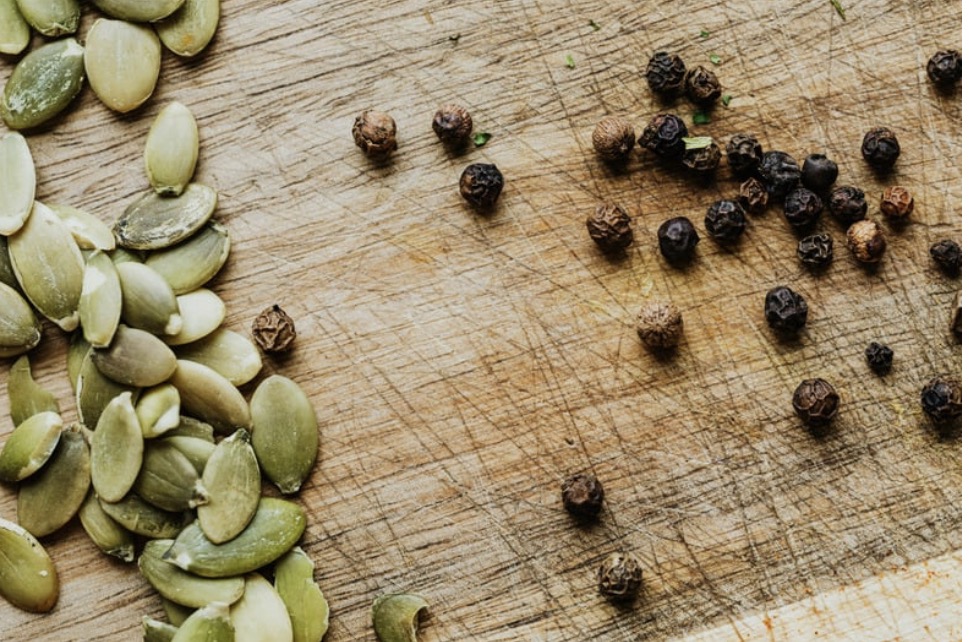
They might be tiny, but seeds are absolute powerhouses of nutrition. Often overlooked as just bird food or a garnish, these little gems are packed with healthy fats, protein, fiber, and essential vitamins that can transform your meals from simple to supercharged. It’s time we stop underestimating them and start sprinkling them onto everything we eat.
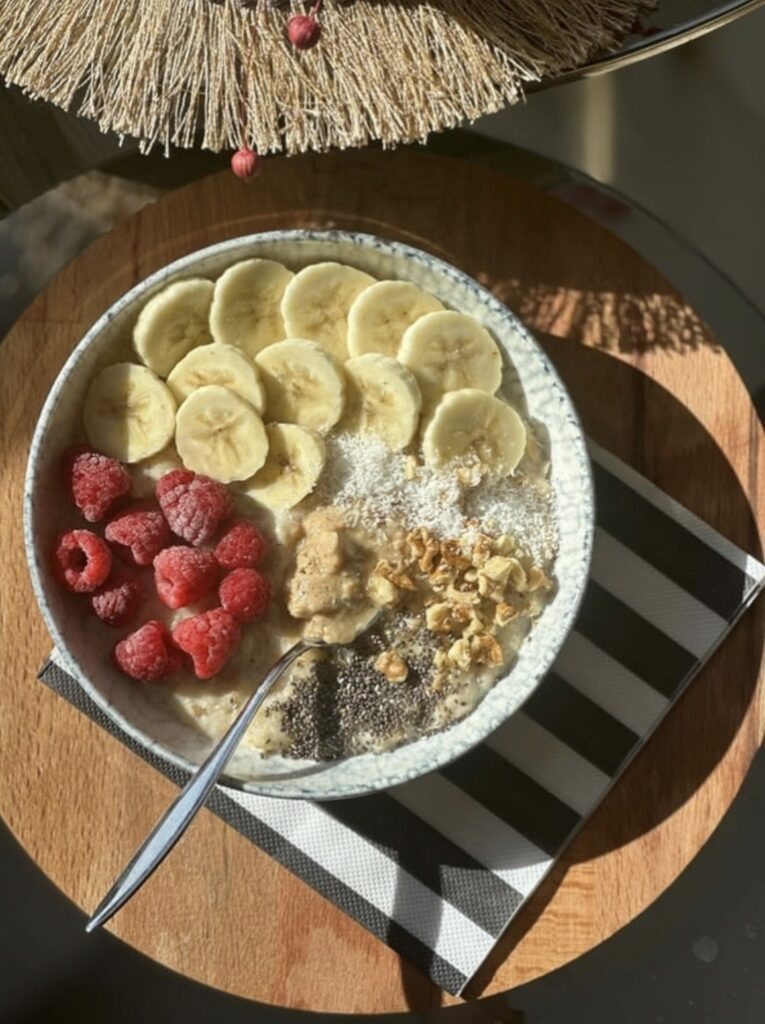
Adding seeds to your diet is one of the easiest ways to boost your nutrient intake without having to overhaul your entire lifestyle. Whether you’re looking to improve digestion, boost your energy, or just add a delightful crunch to your morning oats, there’s a seed out there waiting to become your new pantry staple.
Let’s dive into eight incredible seeds that deserve a permanent spot in your kitchen rotation. Attached are some affiliate Amazon links for ease of purchase, and I’ll receive a bit of commission when you order. Win Win!
Nutritious Seeds #1: Hemp Seeds
Hemp seeds are soft, nutty, and incredibly versatile. Unlike many other plant-based sources, they are a “complete protein,” meaning they contain all nine essential amino acids that our bodies cannot produce on their own. This makes them one of the most nutritious seeds available, and a fantastic option for vegetarians and vegans looking to hit their protein goals.
Beyond protein, hemp hearts are rich in gamma-linolenic acid (GLA), an omega-6 fatty acid known for its anti-inflammatory properties. They’re also loaded with iron, zinc, and magnesium, which are crucial for muscle relaxation and sleep, energy, and immunity.
- Serving Size: 3 tablespoons
- Calories: ~166
- Protein: ~10 grams
How to eat them: Because they are soft, you don’t need to grind them. Sprinkle them directly onto salads, yogurt bowls, or avocado toast. They also blend seamlessly into smoothies without changing the texture, adding a creamy richness (my favorite way to absorb them). You’ve probably heard of sunflower butter, but have you heard of Hemp Butter? I just ordered a jar of this and plan on trying it on crackers or toast – I’ll attached the Amazon link after the seed link. Hemp Seeds, Wilderness Poets – Hemp & other seed/nut butters
Nutritious Seeds #2: Chia Seeds
Don’t let their size fool you. Chia seeds are thirsty little things, capable of absorbing up to 10 times their weight in liquid. This unique property makes them excellent for hydration and feeling full longer. They are one of the richest plant sources of omega-3 fatty acids, which are vital for brain health and reducing inflammation.
Chia seeds are also fiber champions. Just a small serving provides a significant chunk of your daily fiber needs, promoting healthy digestion and stable blood sugar levels. Chia seeds are also packed with needed calcium, phosphorus, and manganese.
- Serving Size: 2 tablespoons
- Calories: ~138
- Protein: ~4.7 grams
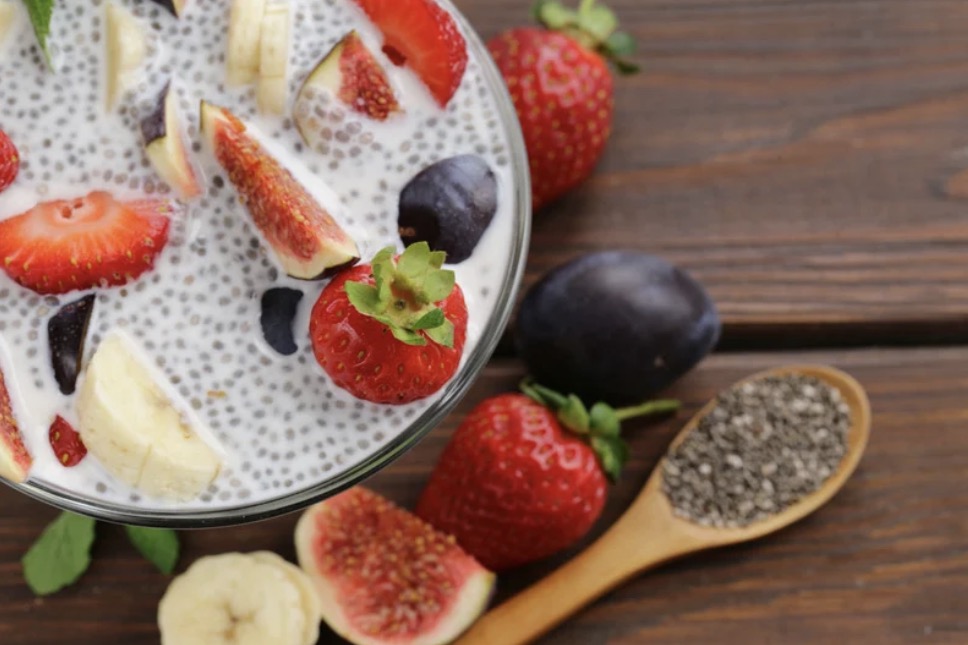
How to eat them: The most popular way to enjoy these nutritious seeds is by making chia pudding. simply mix the seeds with your favorite milk and let it sit in the fridge overnight until it turns into a gel-like consistency. Then top it just before serving with greek yogurt, berries, coconut, anything you like.
You can also use them as an egg substitute in vegan baking (mix one tablespoon of chia with three tablespoons of water) or toss them into your morning smoothie for a nutrient boost. I also will just sprinkle them on top of greek yogurt or an avocado toast.
Nutritious Seeds #3: Basil Seeds
Ready to try something new? Basil seeds (also known as sabja or tukmaria) are ready to join your culinary adventure! Like chia, they swell up and become jelly-like when soaked in liquid, but they surprise you with a tiny, refreshing pop at the center.
Basil seeds are a gentle but powerful boost for digestion, thanks to their sky-high fiber content—which also helps keep that satisfied, not-stuffed feeling going strong. These little black gems are especially rich in plant-based iron, along with essential minerals like calcium and magnesium to keep your energy and bones strong as you explore your day.
- Serving Size: 1 tablespoon
- Calories: ~60
- Protein: ~2 grams
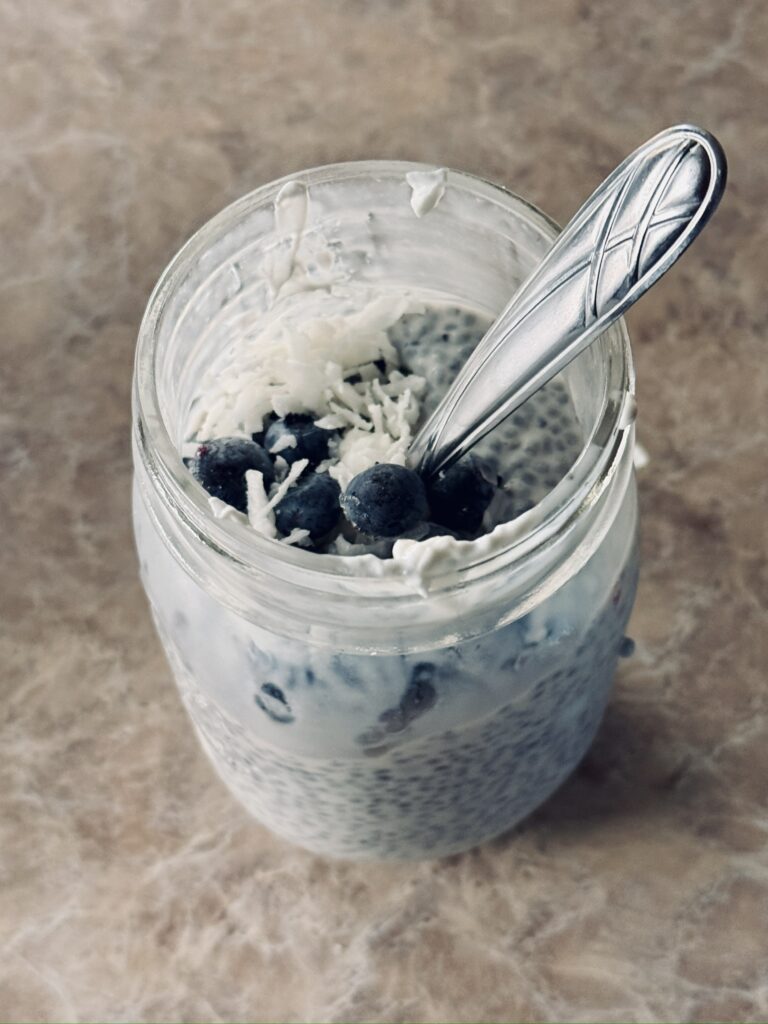
How to eat them: To enjoy basil seeds, soak them in water or your favorite milk for 10–15 minutes until they bloom and turn beautifully translucent. Stir them into lemonades, smoothies, or coconut milk for a cooling treat (they’re absolutely magical in rose water pudding). Their playful texture also shines sprinkled over yogurt, fruit salads, or morning cereal. Attached below is a recipe for basil seed pudding I tried, and added greek yogurt, granola and berries on top.
https://www.eatingbirdfood.com/basil-seed-pudding/
Nutritious Seeds #4: Pumpkin Seeds
Also known as pepitas, these green seeds are a treasure trove of minerals. They are particularly high in zinc, which is essential for immune function and skin health. If you struggle with brittle nails or thinning hair, pumpkin seeds might be the natural boost you need.
They are also one of the best natural sources of magnesium, a mineral that many people are deficient in. Adequate magnesium levels are linked to controlling blood pressure, reducing heart disease risk, and forming healthy bones. Along with Vit K, iron, phosphorus, and copper, there is no shortage of benefits to eating pumpkin seeds throughout the year.
- Serving Size: 1 ounce (approx. a handful)
- Calories: ~152
- Protein: ~7 grams
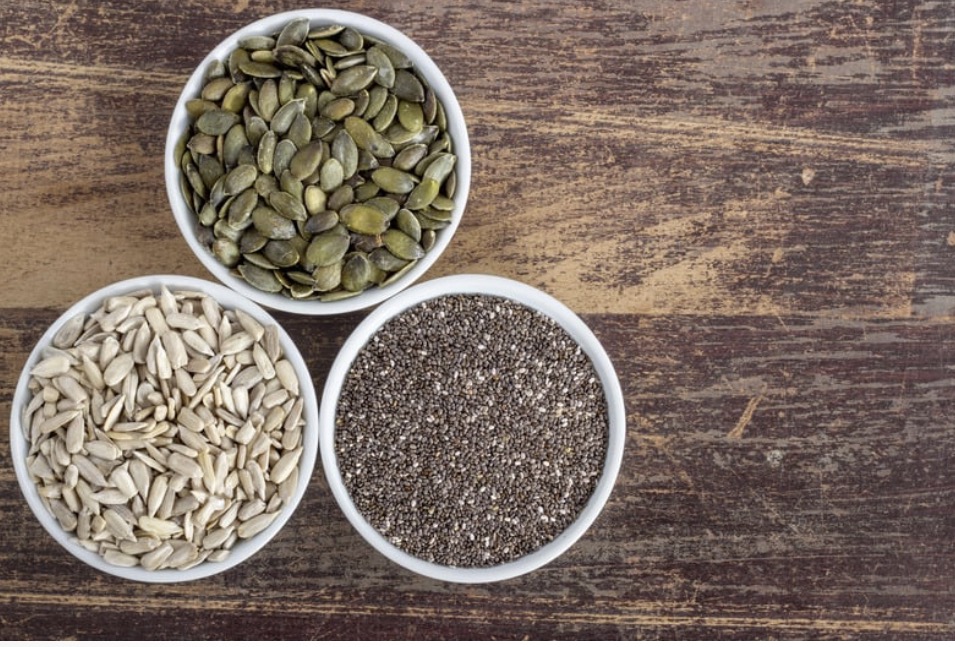
How to eat them: Roasted pumpkin seeds make for a delicious, savory snack on their own. You can season them with paprika or sea salt for an extra kick. They also add a fantastic crunch to salads, soups, and homemade granola bars. For a nutrient-dense pesto, try swapping out pine nuts for pumpkin seeds. Again, if you like that avocado toast, top it with some pumpkin seeds.
Nutritious Seeds #5: Flax Seeds
Flax seeds have been cultivated for thousands of years, and for good reason. They are the richest dietary source of lignans, a type of plant compound that has antioxidant properties and may help reduce the risk of cancer. Like chia seeds, they are high in omega-3s and fiber.
However, there is a catch: to unlock their full nutritional potential, you need to eat them ground rather than whole. Whole flax seeds often pass through the digestive system intact, meaning you miss out on absorbing those precious nutrients, which also include thiamine, fiber, and magnesium!
- Serving Size: 1 tablespoon (ground)
- Calories: ~37
- Protein: ~1.3 grams
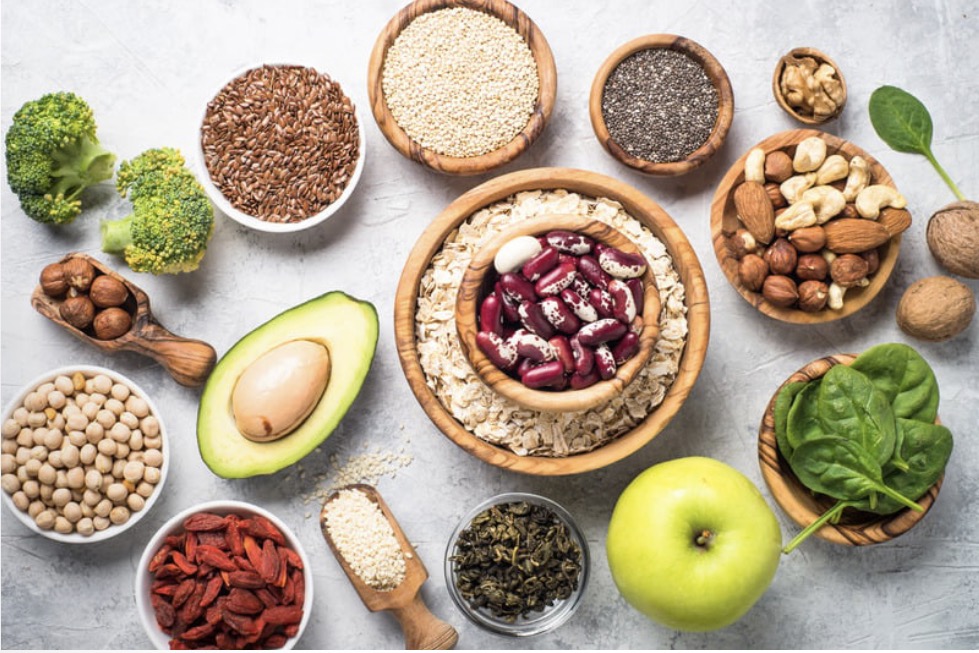
How to eat them: As one of the most versatile nutritious seeds, keep a jar of ground flaxseed (flax meal) in your fridge to preserve freshness. Stir a spoonful into your oatmeal, yogurt, cereal, or cottage cheese. It has a mild, nutty flavor that works well in baking, so try adding it to muffin batter, pancake mix, or even homemade bread dough. Easy enough to mix into mayo or mustard to use on a sandwich, into a smoothie of course, or any juice or even water. A frequent mix in for homemade burgers – vegetarian or otherwise, they judge no one.
Nutritious Seeds #6: Sunflower Seeds
Sunflower seeds are synonymous with summer and sunshine. They are incredibly rich in Vitamin E, a powerful antioxidant that protects cells from damage caused by free radicals. This makes them excellent for maintaining glowing skin and healthy eyes.
They also contain selenium, a nutrient that plays a critical role in DNA synthesis and thyroid hormone metabolism. Plus, they are packed with healthy monounsaturated and polyunsaturated fats that support heart health. Fiber, B6, niacin, and zinc are also packed into this powerhouse of a seed.
- Serving Size: 1 ounce (shelled)
- Calories: ~163
- Protein: ~5.5 grams
How to eat them: While they are a classic baseball snack in their shells, buying them shelled makes them much easier to use. Toss a handful into a trail mix with dried fruit and nuts. They add a great texture to tuna or chicken salad sandwiches. Avocado toast and green salads will happily host some sunflower seeds as well. For those with nut allergies, sunflower seed butter (sunbutter) is a creamy, delicious alternative to peanut butter.
Sunflower Seeds – to go packets
Nutritious Seeds #7: Pomegranate Seeds
Technically called arils, these are the juicy, ruby-red seeds found inside a pomegranate fruit. Unlike the dry seeds on this list, these offer a burst of sweet-tart flavor. They are loaded with Vitamins A B and C, folic acid, fiber and potassium.
Pomegranate seeds are celebrated for their high concentration of antioxidants, particularly punicalagins and punicic acid. These compounds help protect the body against inflammation and oxidative stress, potentially lowering the risk of chronic diseases. Pomegranate Seeds can also lower cholesterol and help prevent muscle cramps.
- Serving Size: 1 oz
- Calories: ~25
- Protein: ~1.5 grams
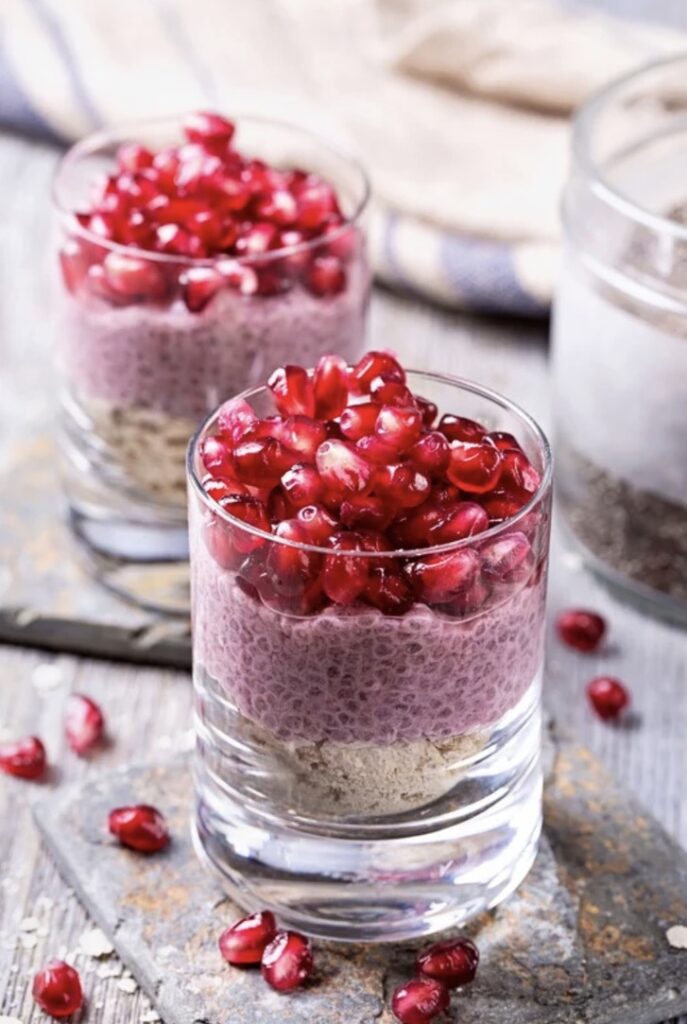
How to eat them: These are best enjoyed fresh. Sprinkle them over a spinach and feta salad for a pop of color and sweetness. They serve as a beautiful garnish for roasted vegetables, specifically Brussels sprouts or butternut squash. You can also stir them into Greek yogurt, add them to your chicken salad sandwich, or just eat them by the spoonful as a refreshing snack. Added to salads or smoothies for a sweet treat.
Nutritious Seeds #8: Cumin Seeds
We usually think of cumin as just a spice, but it is technically a seed derived from the Cuminum cyminum plant. While you wouldn’t eat a bowl of them like you would pumpkin seeds, integrating them into your cooking offers distinct benefits. Cumin has long been used in traditional medicine to aid digestion.
It is rich in iron, providing nearly 20% of your daily iron needs in just one teaspoon. This makes it a great addition for anyone prone to iron deficiency or anemia. Calcium, copper, magnesium, fiber and zinc are just a few other of the factors that make cumin so nutritious. Research also suggests it may help with weight loss and improving blood cholesterol!
- Serving Size: 1 teaspoon
- Calories: ~8
- Protein: ~0.4 grams
How to eat them: To bring out their warm, earthy flavor, toast whole cumin seeds in a dry pan for a minute before grinding them or adding them to your dish. They are essential in curries, taco seasonings, and chili. Try mixing roasted cumin powder into yogurt to create a savory dip or raita.
Nutritious Seeds #9: Sesame Seeds
You’ve seen them on burger buns, but sesame seeds can do so much more. These tiny seeds are an excellent source of calcium, which is great news if you don’t eat dairy. They also contain sesamin and sesamolin, two unique lignans known to lower cholesterol and prevent high blood pressure. A great source of fiber, thiamin, Vit B6 and iron as well.
They come in black and white varieties; while nutritional profiles are similar, black sesame seeds tend to have a stronger flavor and slightly more antioxidants.
- Serving Size: 1 tablespoon
- Calories: ~52
- Protein: ~1.6 grams
How to eat them: Tahini, a paste made from toasted ground sesame seeds, is a staple ingredient in hummus and baba ghanoush. You can sprinkle toasted sesame seeds over stir-fries, salads, slaws, noodle dishes, or steamed broccoli. For a sweet treat, look for sesame snaps or halva. Stir into butter for breads, muffins, or cookies.
Nutritious Seeds: Small Changes, Big Impact
Incorporating these seeds into your daily routine is a journey of small, delicious experiments. You don’t have to start eating all eight at once. Pick one or two that sound appealing and find a permanent place for them in your pantry.
Maybe it’s hemp hearts in your Monday smoothie or pumpkin seeds on your Friday salad. These tiny additions add up, nourishing your body and diversifying your palate.
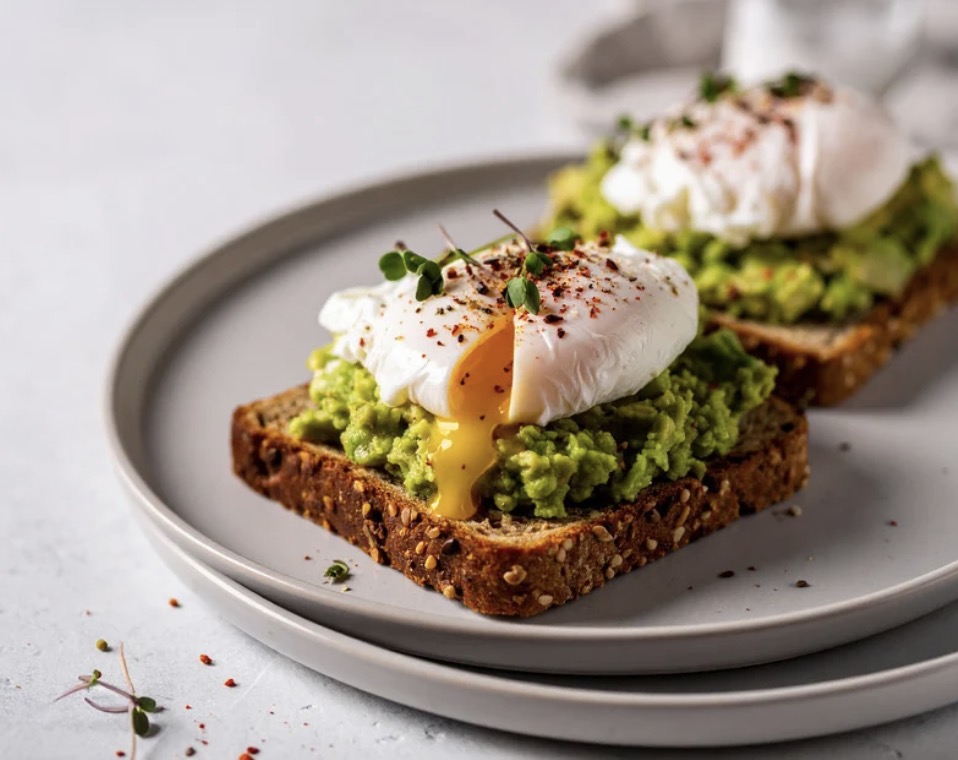
One way, besides smoothies, that I’ve found to capture multiple types of seeds at one time, is a simple no-bake Energy Bite. With a bunch of recipes online and particularly on pinterest, there is no shortage of recipes to find one that works for you. Just mix them together (and add whatever else you like such as protein powder, coconut oil, swap out maple syrup for the honey, anything goes). Make a batch and stick them in the fridge for the week.
I’ll attach a few recipes I’ve found and used. Get comfortable experimenting with them – if it calls for only flax seed, then try substituting some of the amount with chia seeds, basil seeds, hemp seeds, etc. to mix and match.
So go ahead, grab a few bags of seeds on your next grocery run, or add them to your Amazon cart, and sprinkle a little health into your life.